
Airports are busy hubs of activity, with thousands of passengers constantly moving to and from one another. Given the size of many modern airports and the need to efficiently move passengers between terminals, gates, and other facilities, it's no surprise that moving walkways (also known as autowalks or moving walkways) have become an integral part of airport design. This article explores the reasons why airports have moving walkways and the benefits they bring to the travel experience.
Firstly, moving walkways can significantly increase passenger flow and reduce walking time. At large airports, the distances between terminals or gates can be quite far, especially for those with connecting flights or multiple stops. Moving walkways allow passengers to traverse these distances more quickly and efficiently without having to exert too much effort or travel long distances. This is particularly beneficial for those with limited mobility, elderly passengers, or those with heavy luggage.
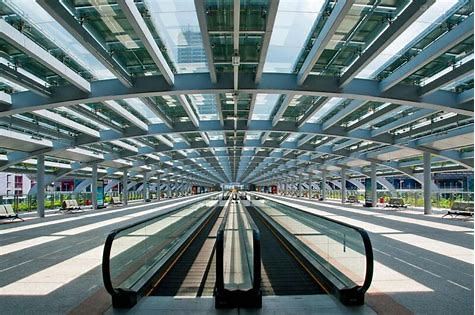
In addition, moving walkways help improve the overall efficiency of airport operations. By reducing the time passengers spend walking, they help minimize congestion and bottlenecks in busy areas. This ensures that traffic flows more smoothly, reducing the likelihood of delays or missed flights. In addition, moving walkways can be used to direct passengers to specific areas or terminals, guiding them through the airport more efficiently.
Safety is another key factor in the deployment of moving walkways at airports. These walkways are designed with safety features such as handrails, emergency stop buttons, and speed control mechanisms to ensure the safety of passengers. The smooth, controlled movement of the walkways also reduces the risk of slips or falls, which are common hazards in busy, crowded spaces.
Moving walkways also help improve the overall passenger experience at airports. They provide a comfortable and convenient way to travel long distances, reducing the stress and fatigue associated with travel. This, in turn, increases passenger satisfaction and makes them feel that the airport is a well-managed, user-friendly facility.
In addition, moving walkways are often integrated into the overall design of an airport, enhancing the airport's aesthetics and functionality. They can be customized to fit each airport's unique layout and architecture, blending seamlessly with the surrounding environment. This not only improves the airport's visual appeal, but also ensures that the moving walkways operate effectively and efficiently.
In summary, moving walkways play a vital role in airports, increasing passenger flow, reducing walking time, and helping to improve overall operational efficiency and safety. They provide passengers with a comfortable and convenient way to travel long distances, improving their travel experience. As airports continue to develop and grow, moving walkways will continue to be an important component in ensuring smooth and efficient passenger movement.