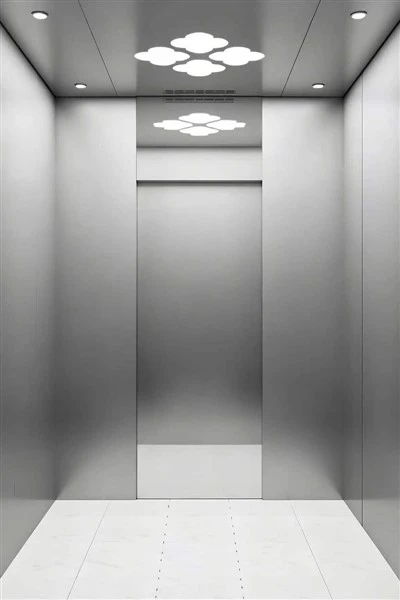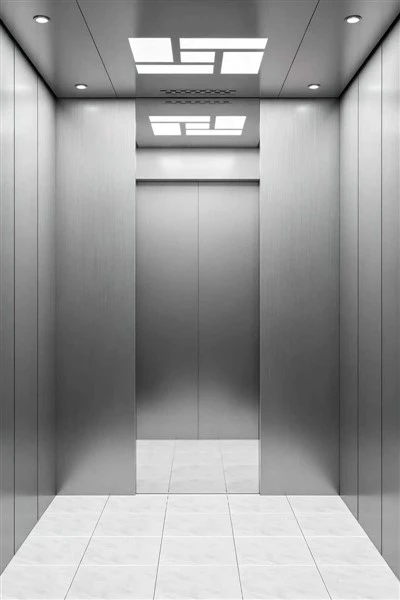

As the main means of vertical transportation in modern buildings, the utilization rate of the elevator's internal space is directly related to the comfort of passengers and the efficiency of the elevator's operation. Maximizing the utilization of limited space while ensuring the comfort and safety of passengers is an important consideration in elevator design. This article will explore the issue of space utilization in elevators, analyze its design principles, influencing factors, and strategies to improve space utilization.
- Principles of space design in elevators
The design of the space in the elevator needs to follow the following principles:
1. Safety: Ensure that passengers have enough space to evacuate in an emergency.
2. Comfort: Provide enough space to avoid passengers feeling crowded when the elevator is running.
3. Accessibility: Consider the needs of different passengers, including wheelchair users and people with limited mobility.
4. Functionality: Reasonably arrange the control panel, lighting, ventilation and other equipment in the elevator.
- Factors affecting space utilization
1. Car size: The size of the car directly affects the spaciousness of the space.
2. Passenger flow: The number of floors served by the elevator and the size of the passenger flow affect the space design.
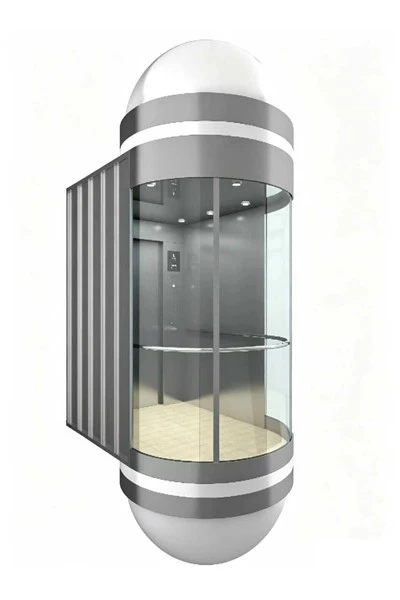
3. Elevator use: Elevators for different purposes (such as passenger elevators, freight elevators, and sightseeing elevators) have different requirements for space.
4. Design details: Design details such as interior decoration, handrails, and mirrors will also affect space utilization.
- Strategies to improve space utilization
1. Reasonable layout: Optimize the internal layout of the car to ensure the reasonable allocation of space.
2. Multifunctional design: Use multifunctional design, such as foldable handrails or hidden control panels.
3. Barrier-free design: Follow the principles of barrier-free design to ensure that the space is open to all passengers.
4. Intelligent scheduling: Through the intelligent scheduling system, optimize elevator operation and reduce passenger waiting time.
- Space utilization and passenger experience
1. Crowding: Space utilization directly affects the crowded feeling of passengers in the elevator.
2. Psychological feeling: Spacious space can reduce the psychological pressure of passengers.
3. Safety feeling: Sufficient space can provide safety in emergency situations.

- Case Analysis
By analyzing some cases of elevator design that utilize space efficiently, we can understand how to improve space utilization through innovative design.
- Regulations and Standards
1. Safety standards: Follow national and industry safety standards to ensure that space design does not sacrifice safety.
2. Barrier-free design specifications: Meet barrier-free design specifications to provide convenience for all passengers.
3. Energy-saving requirements: Consider energy-saving requirements while improving space utilization.
- Future Development Trends
With the development of technology, future elevator designs may pay more attention to space utilization, adopting innovative technologies such as variable car size and intelligent scheduling.
Space utilization in elevators is a comprehensive reflection of design, efficiency and passenger experience. Through reasonable design, optimized layout, multi-functional design, intelligent scheduling and other strategies, space utilization can be effectively improved while ensuring passenger comfort and safety. Elevator manufacturers, designers and property managers should work together to continuously explore and innovate to achieve the optimal use of elevator space and provide passengers with a more comfortable, safe and efficient elevator experience. With the development of society and the advancement of technology, we have reason to believe that elevators in the future will reach new heights in space utilization and better serve the needs of modern society.